


 Thùng Rượu Gỗ Sồi
 Bồn Tắm Gỗ
The Ultimate Guide to the Oak Barrel: From Aging Science to Buying in Vietnam

What is an Oak Barrel and Why is It a Game-Changer for Your Spirits?
At its core, an oak barrel is a hollow cylindrical container, made from staves of oak wood and bound by metal hoops. But this simple description belies its profound impact on any liquid stored within it. For centuries, coopers (barrel makers) have perfected this craft, understanding that the barrel is a living, breathing vessel.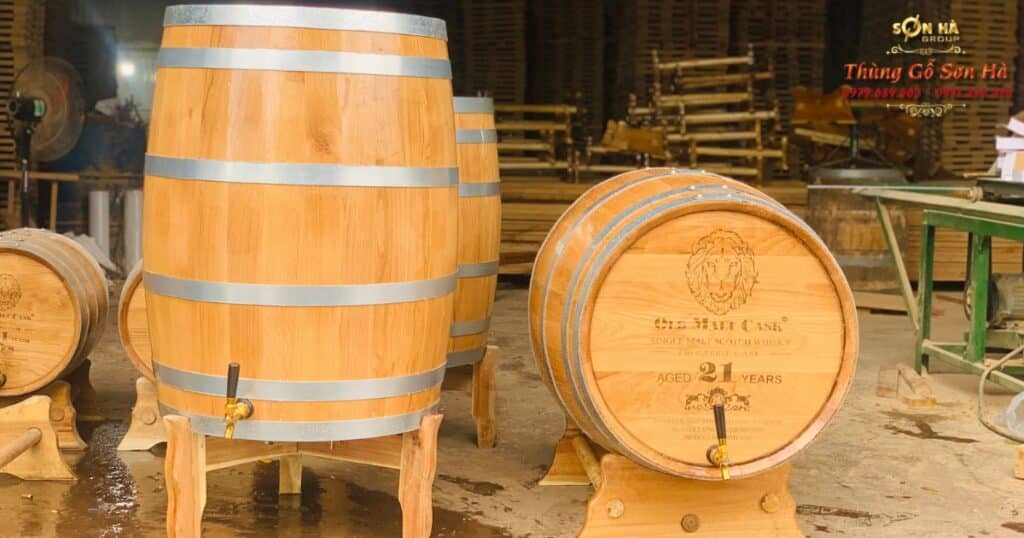
The Living Vessel: More Than Just a Container
Unlike a glass bottle or a steel tank, an oak barrel interacts with its contents and the environment. The wood is porous, allowing for a very slow, controlled exchange of oxygen. This micro-oxygenation process is crucial; it softens the harsh edges of a young spirit, helps flavors meld together, and contributes to a smoother mouthfeel. At the same time, a small amount of the spirit evaporates through the wood—a phenomenon romantically known as the “Angel’s Share.” This concentrates the remaining liquid, intensifying its flavor over time.The Science of Magic: How Oak Transforms AlcoholThe transformation that happens inside an oak aging barrel is a beautiful chemical dance. There are three key processes at play:Extraction: The alcohol acts as a solvent, pulling flavor compounds directly from the wood. These include:- Vanillin: Responsible for the familiar vanilla notes.
- Lactones: Impart coconut and woody aromas, especially prominent in American oak.
- Tannins: Add structure, complexity, and a slight astringency, crucial for the aging potential of wines and spirits.
Choosing Your Perfect Oak Aging Barrel: An Expert Buyer’s Guide
Not all oak is created equal. The origin of the wood, the way the barrel is treated with fire, and its size all play a monumental role in shaping the final flavor profile of your spirit.American Oak vs. French Oak: A Tale of Two Flavors
This is the first major decision you’ll make. The two most common types of oak used in cooperage come from the United States and France.American Oak (Quercus alba):- Characteristics: Faster growing with a wider grain. It has higher levels of vanillin and lactones.
- Flavor Profile: Bolder, more assertive flavors. Expect prominent notes of vanilla, coconut, caramel, and sweet spice.
- Best for: Bourbon, bold red wines (like Cabernet Sauvignon from Napa), and spirits where you want a strong, sweet wood influence.
- Characteristics: Slower growing with a tighter grain. It contains more subtle tannins (ellagitannins).
- Flavor Profile: More elegant and subtle. It imparts notes of baking spices (like clove and nutmeg), dark chocolate, and roasted coffee, with a silkier texture.
- Best for: Premium red and white wines (like Pinot Noir and Chardonnay), Scotch whisky, and spirits where you want the wood to complement, not dominate.
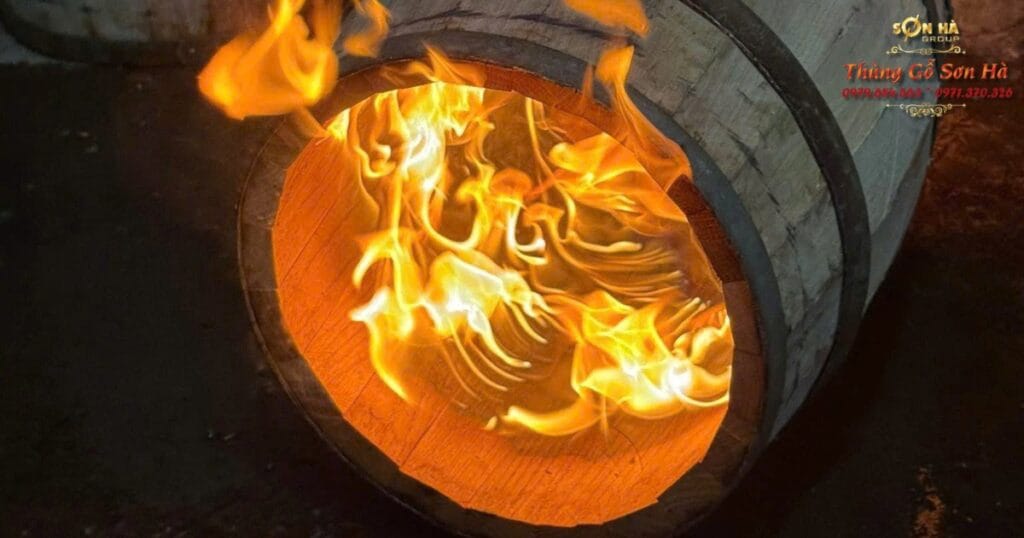
- Toasting: A slower, more gentle heating process that penetrates deeper into the wood. A light toast might bring out fresh oak and fruit notes, while a heavy toast will deliver more mocha and caramel flavors.
- Charring: An intense, direct flame that creates a thick layer of black carbon on the wood’s surface. This is standard for bourbon barrels. The char level (from #1 light to #4 “alligator” char) determines how much filtration occurs and unlocks deep notes of smoke, toffee, and maple syrup.
Size Matters: How Barrel Volume Drastically Affects Aging Speed and Quality
A crucial factor, especially for home aging, is the size of the oak barrel. The key principle is the surface-area-to-volume ratio.- Small Barrels (1-10 Liters): Have a very high surface-to-volume ratio. This means the spirit has much more contact with the wood, and the aging process is dramatically accelerated. A spirit might achieve a deep color and flavor in a few months, which would take years in a large barrel. This is perfect for home enthusiasts in Vietnam who want to experiment and see results quickly.
- Large Barrels (200+ Liters): Have a low surface-to-volume ratio. The aging is slow, gentle, and allows for more complex, nuanced flavors to develop over many years. This is the standard for commercial distilleries.
A Practical Guide: How to Use and Maintain Your Oak Barrel
Owning an oak barrel is a rewarding experience. Following these simple steps will ensure you get the best results for years to come.First-Time Use: Curing and Preparing Your Barrel for its First FillYour new barrel is thirsty! Before you add any spirits, you must cure it to swell the wood and prevent leaks.- Rinse: Thoroughly rinse the inside with clean water to remove any wood dust.
- Fill: Fill the barrel completely with warm, clean water.
- Swell: Insert the bung and let it sit for 24-48 hours. You may notice some initial leaking, which is normal. The wood will swell and seal itself. If leaks persist after 3-4 days, contact your supplier.
- Empty: Once sealed, empty the water. Your oak barrel is now ready for its first batch of spirits!
The Art of Patience: Aging Tips for Optimal Flavor Development
- Start with Quality: A barrel can’t make a bad spirit great, but it can make a good spirit fantastic. Start with a decent quality, unaged or lightly aged spirit.
- Taste Regularly: With small barrels, the flavor changes fast! Start tasting your spirit weekly after the first month. This is the fun part – you get to decide when it’s perfect for your palate.
- Location, Location: Store your barrel in a location with a relatively stable temperature, away from direct sunlight. A cellar or a cool closet is ideal.
Long-Term Care: Storing, Cleaning, and Re-using Your Cask
An oak aging barrel can be used multiple times. The first use will impart the strongest oak flavor. Subsequent uses will be more subtle.- Cleaning: After emptying your aged spirit, rinse the barrel immediately with clean water. To sanitize for the next batch, you can use a campden tablet solution.
- Storing: Never let your barrel dry out completely, as it can shrink and crack. If you need to store it empty, always do so with a small amount of neutral spirit or a holding solution inside to keep it hydrated.
Where to Find the Best Oak Barrel in Vietnam for Connoisseurs?
The demand for high-quality spirit aging equipment is growing rapidly in Vietnam. As enthusiasts become more sophisticated, they are looking for reliable, expert suppliers.Why Buying Locally in Ho Chi Minh City and Hanoi is a Smart Choice
While it might be tempting to order from overseas, purchasing your oak barrel in Vietnam offers significant advantages:- Support & Expertise: A local supplier like thung ruou go Son Ha can provide immediate, personalized advice in your language. Having an issue? We’re a phone call away, not an ocean away.
- No Shipping Hassles: Avoid exorbitant international shipping fees, customs delays, and the risk of damage in transit. You can often see the product before you buy.
- Acclimatized Wood: Barrels sourced and stored locally are already acclimatized to Vietnam’s unique climate, reducing the risk of excessive leaking or wood stress.
What to Look For in a Reputable Vietnamese Supplier
When you decide to buy an oak barrel, look for a supplier who demonstrates true (Expertise, Authoritativeness, Trustworthiness).- Expertise: Do they understand cooperage? Can they explain the difference between toast levels and oak types?
- Authoritativeness: Are they a recognized name in the community? Do they provide guides and helpful content (like this article)?
- Trustworthiness: Do they offer a warranty? Are customer reviews positive? Is the product made from 100% real, non-treated oak? At thung ruou go Son Ha, we pride ourselves on meeting all these criteria.
Frequently Asked Questions About the Oak Barrel
How long should I age my spirits in a small oak barrel?
It depends on the size and your taste. For a 1-3 liter barrel, start tasting after 3-4 weeks. It could be ready in 2-4 months. For a 5-10 liter barrel, expect 4-9 months.Can I reuse an oak barrel?
Absolutely! It can be reused 3-5 times or more. The oak flavor will become less intense with each use, which is sometimes desirable for aging more delicate spirits or wine.What spirits are best for aging in an oak barrel?
Whiskey (or moonshine), rum, brandy, and tequila are classics. You can also age pre-mixed cocktails like a Negroni or Manhattan for incredible results.My barrel is leaking, what should I do?
Minor drips during the initial curing are normal. If a leak persists from a stave or the head, you can try applying barrel wax to the outside of the leak. If it’s a significant leak, contact your supplier immediately.Conclusion: Your Journey into Spirit Aging Starts Here
The oak barrel is far more than a simple wooden container; it’s a gateway to a new world of flavor, a hands-on project, and a beautiful centerpiece for any home bar. It empowers you to become the master of your own spirits, crafting unique flavor profiles that can’t be bought off a shelf.We’ve explored the science, the art of selection, and the practical steps to using your cask. Now, the final step is yours to take. For connoisseurs in Hanoi, Ho Chi Minh City, and across Vietnam, a premium oak barrel is no longer a distant dream. It’s an accessible tool to elevate your passion. At thung ruou go Son Ha, we are here to provide not just a product, but a partnership in your aging journey.Ready to unlock the potential in your favorite spirits? Explore our collection of handcrafted oak barrels today.Bài viết cùng chủ đề:

Vệ sinh thùng rượu gỗ sồi cũ đúng cách: Tuyệt chiêu hồi sinh thùng ủ rượu
Mục lục bài viếtWhat is an Oak Barrel and Why is It a Game-Changer for Your Spirits?The Living Vessel: More Than Just a ContainerChoosing Your Perfect Oak Aging Barrel: An Expert Buyer’s GuideAmerican Oak vs. French Oak: A Tale of Two FlavorsSize Matters: How Barrel Volume Drastically Affects Aging Speed and QualityA Practical Guide: How...

Nên mua thùng rượu gỗ sồi cũ hay mới? Ưu nhược điểm và cách chọn chuẩn
Mục lục bài viếtWhat is an Oak Barrel and Why is It a Game-Changer for Your Spirits?The Living Vessel: More Than Just a ContainerChoosing Your Perfect Oak Aging Barrel: An Expert Buyer’s GuideAmerican Oak vs. French Oak: A Tale of Two FlavorsSize Matters: How Barrel Volume Drastically Affects Aging Speed and QualityA Practical Guide: How...

Thùng rượu gỗ sồi làm quà biếu – Sang trọng, ý nghĩa và khác biệt
Mục lục bài viếtWhat is an Oak Barrel and Why is It a Game-Changer for Your Spirits?The Living Vessel: More Than Just a ContainerChoosing Your Perfect Oak Aging Barrel: An Expert Buyer’s GuideAmerican Oak vs. French Oak: A Tale of Two FlavorsSize Matters: How Barrel Volume Drastically Affects Aging Speed and QualityA Practical Guide: How...

Hầm rượu gỗ sồi: Khi không gian sống trở thành tuyệt tác nghệ thuật
Mục lục bài viếtWhat is an Oak Barrel and Why is It a Game-Changer for Your Spirits?The Living Vessel: More Than Just a ContainerChoosing Your Perfect Oak Aging Barrel: An Expert Buyer’s GuideAmerican Oak vs. French Oak: A Tale of Two FlavorsSize Matters: How Barrel Volume Drastically Affects Aging Speed and QualityA Practical Guide: How...

Thùng rượu gỗ sồi trang trí quán nhậu, nhà hàng, beer club: “Vũ khí” bí mật hút khách check-in
Mục lục bài viếtWhat is an Oak Barrel and Why is It a Game-Changer for Your Spirits?The Living Vessel: More Than Just a ContainerChoosing Your Perfect Oak Aging Barrel: An Expert Buyer’s GuideAmerican Oak vs. French Oak: A Tale of Two FlavorsSize Matters: How Barrel Volume Drastically Affects Aging Speed and QualityA Practical Guide: How...

Cách phân biệt thùng rượu gỗ sồi thật giả: Đừng để “tiền mất tật mang” vì ham rẻ
Mục lục bài viếtWhat is an Oak Barrel and Why is It a Game-Changer for Your Spirits?The Living Vessel: More Than Just a ContainerChoosing Your Perfect Oak Aging Barrel: An Expert Buyer’s GuideAmerican Oak vs. French Oak: A Tale of Two FlavorsSize Matters: How Barrel Volume Drastically Affects Aging Speed and QualityA Practical Guide: How...

7 lỗi khi dùng thùng rượu gỗ sồi thường gặp nhất và cách khắc phục triệt để
Mục lục bài viếtWhat is an Oak Barrel and Why is It a Game-Changer for Your Spirits?The Living Vessel: More Than Just a ContainerChoosing Your Perfect Oak Aging Barrel: An Expert Buyer’s GuideAmerican Oak vs. French Oak: A Tale of Two FlavorsSize Matters: How Barrel Volume Drastically Affects Aging Speed and QualityA Practical Guide: How...

Cách xử lý thùng gỗ sồi bị rò rỉ: Đừng vội hoảng hốt, hãy làm theo 4 bước này
Mục lục bài viếtWhat is an Oak Barrel and Why is It a Game-Changer for Your Spirits?The Living Vessel: More Than Just a ContainerChoosing Your Perfect Oak Aging Barrel: An Expert Buyer’s GuideAmerican Oak vs. French Oak: A Tale of Two FlavorsSize Matters: How Barrel Volume Drastically Affects Aging Speed and QualityA Practical Guide: How...

Hướng dẫn sử dụng thùng rượu gỗ sồi đúng cách cho người mới bắt đầu: Đừng bỏ qua 5 bước vàng
Mục lục bài viếtWhat is an Oak Barrel and Why is It a Game-Changer for Your Spirits?The Living Vessel: More Than Just a ContainerChoosing Your Perfect Oak Aging Barrel: An Expert Buyer’s GuideAmerican Oak vs. French Oak: A Tale of Two FlavorsSize Matters: How Barrel Volume Drastically Affects Aging Speed and QualityA Practical Guide: How...

Công dụng thùng rượu gỗ sồi: Khi gỗ không chỉ là vật chứa mà là “linh hồn” của rượu
Mục lục bài viếtWhat is an Oak Barrel and Why is It a Game-Changer for Your Spirits?The Living Vessel: More Than Just a ContainerChoosing Your Perfect Oak Aging Barrel: An Expert Buyer’s GuideAmerican Oak vs. French Oak: A Tale of Two FlavorsSize Matters: How Barrel Volume Drastically Affects Aging Speed and QualityA Practical Guide: How...

Gỗ sồi là gì? Bật mí ứng dụng “Đắt Giá” trong sản xuất rượu & Nội thất cao cấp
Mục lục bài viếtWhat is an Oak Barrel and Why is It a Game-Changer for Your Spirits?The Living Vessel: More Than Just a ContainerChoosing Your Perfect Oak Aging Barrel: An Expert Buyer’s GuideAmerican Oak vs. French Oak: A Tale of Two FlavorsSize Matters: How Barrel Volume Drastically Affects Aging Speed and QualityA Practical Guide: How...

Khám phá 5 loại rượu ngâm càng để lâu càng ngon (Và sự thật đằng sau)
Mục lục bài viếtWhat is an Oak Barrel and Why is It a Game-Changer for Your Spirits?The Living Vessel: More Than Just a ContainerChoosing Your Perfect Oak Aging Barrel: An Expert Buyer’s GuideAmerican Oak vs. French Oak: A Tale of Two FlavorsSize Matters: How Barrel Volume Drastically Affects Aging Speed and QualityA Practical Guide: How...

Cây sồi có ở đâu? Bản đồ phân bố, sinh cảnh, khí hậu nguồn gốc chi Quercus
Mục lục bài viếtWhat is an Oak Barrel and Why is It a Game-Changer for Your Spirits?The Living Vessel: More Than Just a ContainerChoosing Your Perfect Oak Aging Barrel: An Expert Buyer’s GuideAmerican Oak vs. French Oak: A Tale of Two FlavorsSize Matters: How Barrel Volume Drastically Affects Aging Speed and QualityA Practical Guide: How...

Tìm hiểu công nghệ sản xuất rượu whisky ngon, rượu whisky bao nhiêu độ?
Mục lục bài viếtWhat is an Oak Barrel and Why is It a Game-Changer for Your Spirits?The Living Vessel: More Than Just a ContainerChoosing Your Perfect Oak Aging Barrel: An Expert Buyer’s GuideAmerican Oak vs. French Oak: A Tale of Two FlavorsSize Matters: How Barrel Volume Drastically Affects Aging Speed and QualityA Practical Guide: How...

Rượu khử Andehit là gì? Hướng dẫn đúng, an toàn và hiệu quả
Mục lục bài viếtWhat is an Oak Barrel and Why is It a Game-Changer for Your Spirits?The Living Vessel: More Than Just a ContainerChoosing Your Perfect Oak Aging Barrel: An Expert Buyer’s GuideAmerican Oak vs. French Oak: A Tale of Two FlavorsSize Matters: How Barrel Volume Drastically Affects Aging Speed and QualityA Practical Guide: How...

Giá thùng gỗ sồi 10L bao nhiêu tiền, tư vấn xuất xứ, đai inox, bảo hành
Mục lục bài viếtWhat is an Oak Barrel and Why is It a Game-Changer for Your Spirits?The Living Vessel: More Than Just a ContainerChoosing Your Perfect Oak Aging Barrel: An Expert Buyer’s GuideAmerican Oak vs. French Oak: A Tale of Two FlavorsSize Matters: How Barrel Volume Drastically Affects Aging Speed and QualityA Practical Guide: How...